

Opinion | Analysis
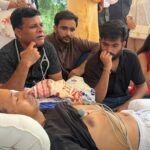
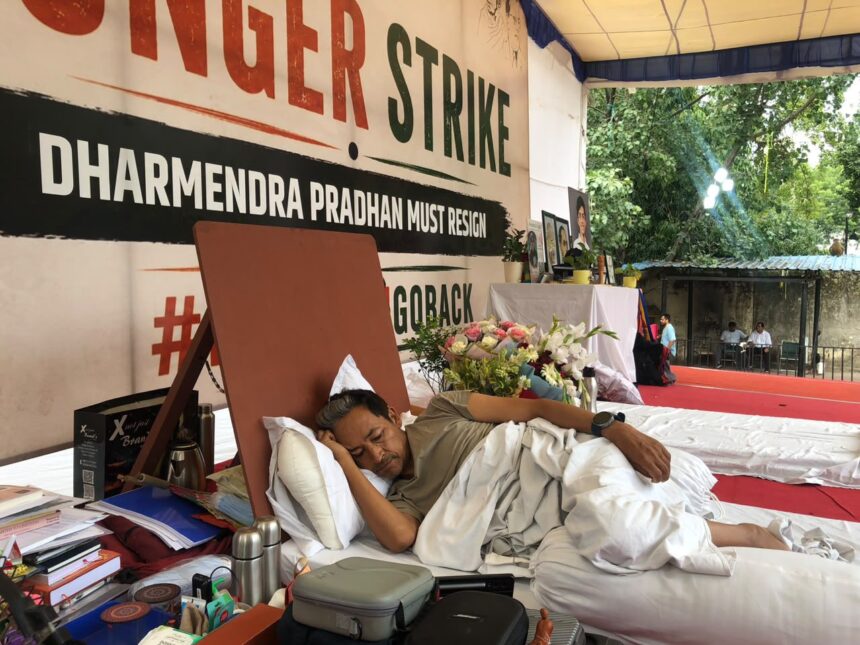
The hospitalisation of climate activist Sonam Wangchuk on the 21st day of his indefinite hunger strike has sparked an important question: What if he had not survived?
While this did not happen, exploring the possible consequences highlights the importance of peaceful democratic engagement and timely medical intervention.
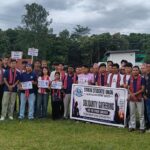
Had Wangchuk died during the protest, India could have witnessed one of its most significant public reactions in recent years. His death might have triggered widespread demonstrations across universities, civil society organisations, and among supporters who viewed his hunger strike as a peaceful appeal for accountability.
Politically, the incident could have intensified pressure on the government. Opposition parties would likely have demanded explanations, Parliament may have been disrupted, and calls for an independent inquiry into the handling of the protest could have grown louder.
Internationally, Wangchuk’s global reputation as an innovator, education reformer, and environmental advocate might have brought worldwide attention to the incident. International media and advocacy groups could have questioned India’s handling of peaceful protests and democratic dissent.
History shows that the death of a fasting protester can become a defining moment, shifting public opinion and giving renewed momentum to a movement. Whether or not the protest’s demands were eventually accepted, Wangchuk’s death could have transformed him into a lasting symbol of peaceful resistance.
Fortunately, that scenario did not occur. His transfer to hospital ensured he received medical care while the protest itself continues through other supporters.
The episode serves as a reminder that in a democracy, disagreements are best addressed through dialogue rather than allowing situations to escalate to irreversible tragedy.
Disclaimer: This article is a hypothetical analysis based on a scenario that did not occur. Sonam Wangchuk was hospitalised and remains under medical care. The article discusses possible outcomes for public discussion and does not describe actual events.