


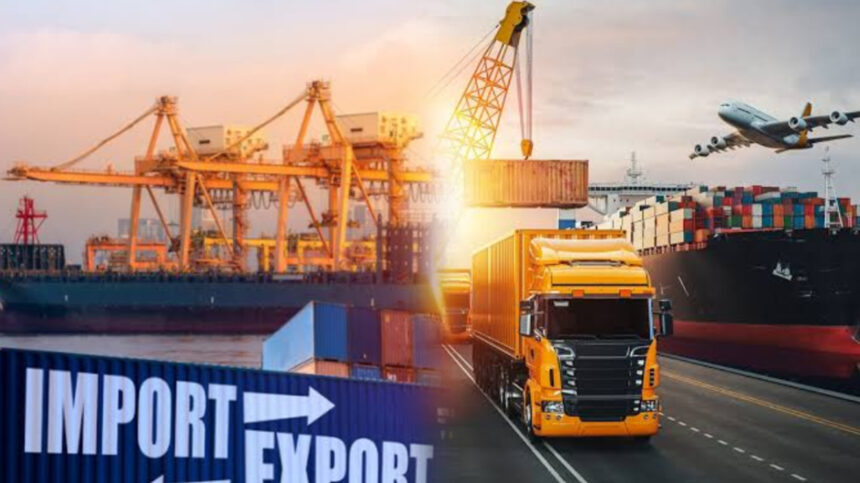
In the global economy, countries are constantly buying and selling goods across borders. This exchange of products is known as international trade. But behind the scenes of every imported car, foreign smartphone, or overseas shipment of rice, there’s a powerful economic tool quietly at work — the tariff.
A tariff is a tax placed on goods that are imported from other countries. It’s one of the oldest instruments in global trade policy, and though often invisible to the average consumer, its effects are deeply felt in everyday life.
Governments impose tariffs for several key reasons. The most common is to protect local industries. For example, if cheap shoes flood into a country from abroad, local shoe manufacturers may struggle to compete. By adding a tariff to those imported shoes, the government increases their price, making locally made shoes more competitive.
Tariffs are also used to generate revenue. In many developing countries where income tax collection is limited, tariffs on imported goods become an important source of national income. Additionally, tariffs can be used as tools of negotiation or pressure in global politics. During trade disputes, one country may raise tariffs on another as a form of retaliation or to force a change in behavior — as seen during the U.S.–China trade tensions under former President Donald Trump.
But what does this mean for ordinary people? The effects are more direct than most realize. When a tariff is placed on a product, the price of that product usually goes up in the market. Businesses importing those goods pass the extra cost on to consumers. That means people pay more for imported electronics, clothing, food items, and even fuel in some cases.
On the positive side, tariffs can encourage domestic production, create local jobs, and promote self-reliance. On the downside, they can lead to higher prices, less choice, and even trigger trade wars, where countries continuously raise tariffs against each other, causing instability in global markets.
In an interconnected world, tariffs are not just numbers on a customs invoice — they influence how countries behave, what products are available in our markets, and how much we pay at the counter.
Understanding tariffs helps us see the link between global decisions and local realities. The next time prices rise or a product disappears from shelves, it might not just be inflation — it could be the result of a tariff policy playing out on the world stage.


Praise the Lord