


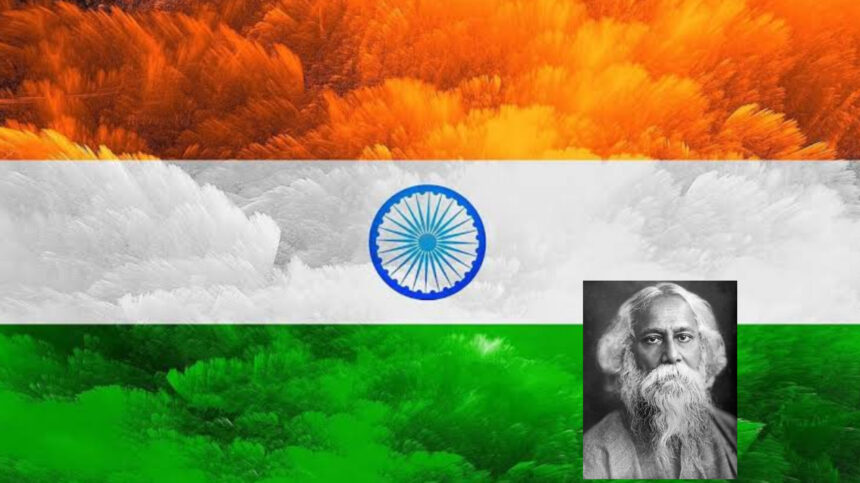
India’s national anthem, “Jana Gana Mana,” is a powerful symbol of unity, patriotism, and the country’s rich heritage. Written by Nobel laureate Rabindranath Tagore in 1911, this anthem reflects the diversity, spirit, and aspirations of the Indian people.
Historical Background
“Jana Gana Mana” was originally composed in Bengali and first publicly sung at the Calcutta Session of the Indian National Congress on December 27, 1911. The song’s poetic verses praise the land and its people while invoking a sense of belonging to one great nation despite its many regions, languages, and cultures.
The anthem was officially adopted by the Constituent Assembly of India as the national anthem on January 24, 1950, shortly before India became a republic. The chosen version includes the first stanza of Tagore’s original composition.
Meaning and Significance
The anthem acknowledges the geographical diversity of India—from Punjab and Sindh in the northwest to Bengal and Odisha in the east, from the Vindhya and Himalaya mountains to the sacred rivers Yamuna and Ganga. It celebrates the country’s natural beauty and the unity of its people under one “Bharata Bhagya Vidhata” — the dispenser of India’s destiny.
Singing the anthem instills pride, respect, and responsibility towards the nation. It is played and sung at official functions, schools, and national events to honor India’s sovereignty and rich cultural legacy.
Jana Gana Mana Lyrics
Jana Gana Mana Adhinayaka Jaya He
Bharata Bhagya Vidhata
Punjab Sindhu Gujarat Maratha
Dravida Utkala Banga
Vindhya Himachala Yamuna Ganga
Uchchala Jaladhi Taranga
Tava Subha Name Jage
Tava Subha Ashish Mage
Gahe Tava Jaya Gatha
Jana Gana Mangala Dayaka Jaya He
Bharata Bhagya Vidhata
Jaya He, Jaya He, Jaya He,
Jaya Jaya Jaya, Jaya He!
English Translation
Thou art the ruler of the minds of all people,
Dispenser of India’s destiny.
Thy name rouses the hearts of Punjab, Sindh, Gujarat and Maratha,
Of Dravida, Orissa and Bengal.
It echoes in the hills of the Vindhyas and Himalayas,
Mingles in the music of Yamuna and Ganga and is chanted by the waves of the Indian Sea.
They pray for thy blessings and sing thy praise.
The saving of all people waits in thy hand,
Thou dispenser of India’s destiny.
Victory, victory, victory to thee.
About Rabindranath Tagore
Rabindranath Tagore (1861–1941) was a Bengali polymath—poet, musician, and artist—who reshaped Bengali literature and music. He was the first non-European to win the Nobel Prize in Literature in 1913. His literary works have inspired generations and the Indian national anthem is one of his most enduring legacies. © 2025 Dimapur Today — Honoring India’s heritage and future.